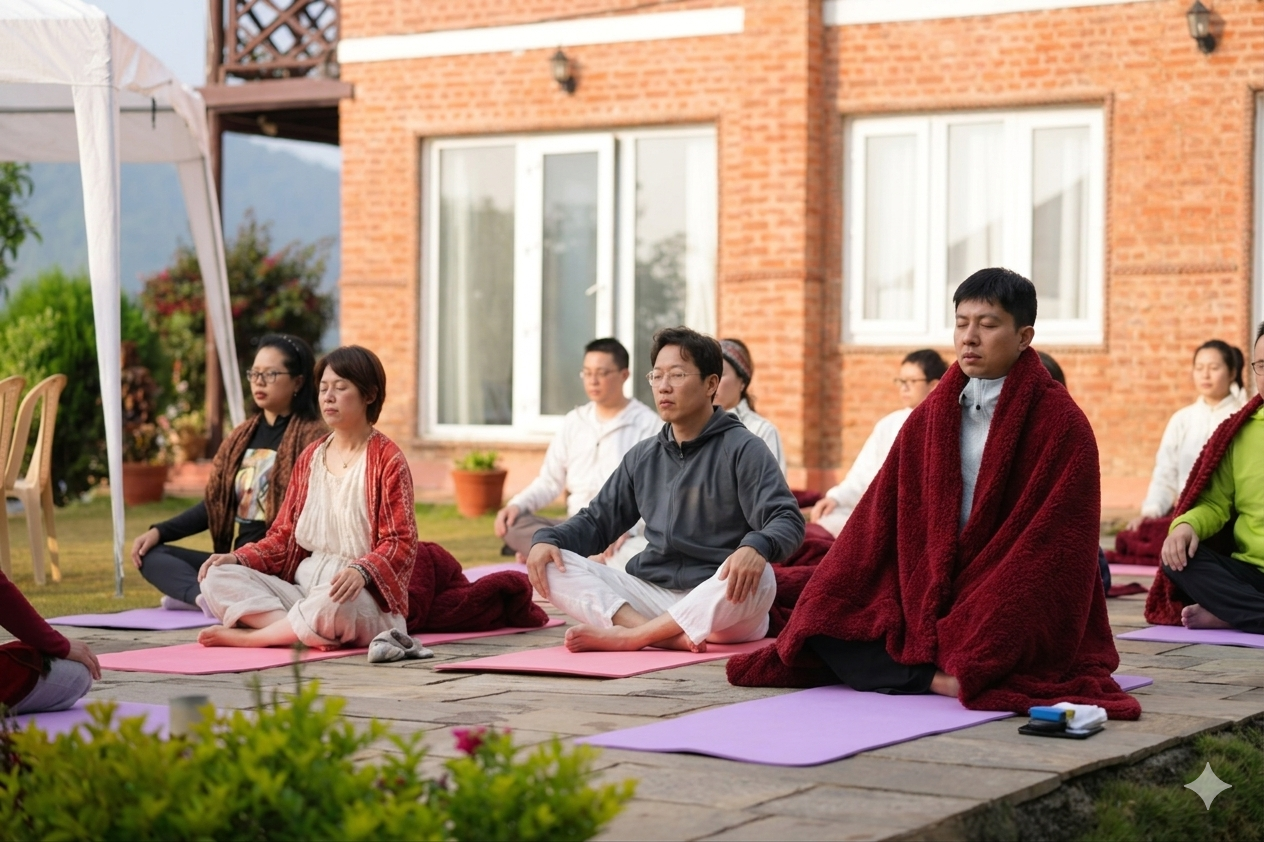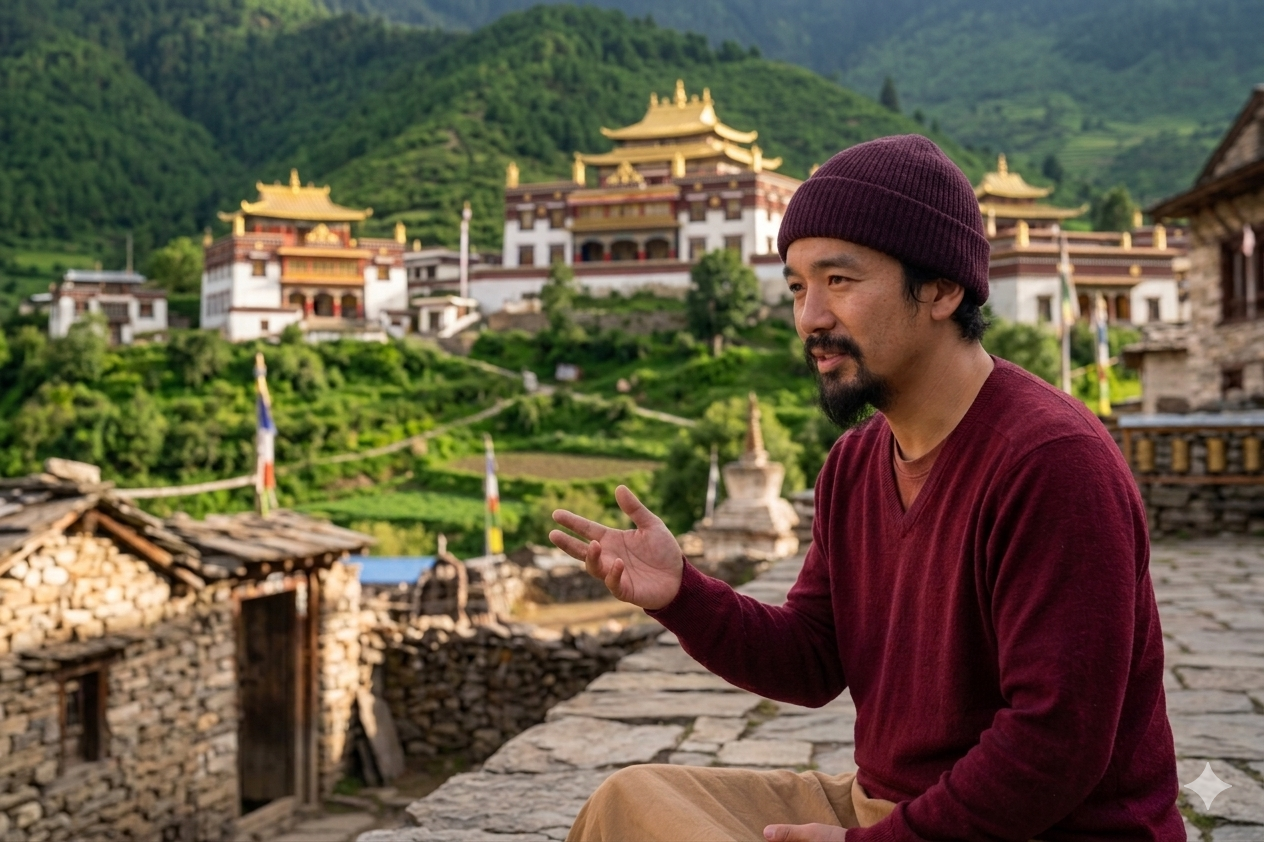
For centuries, both Eastern and Western traditions have attempted to map the labyrinth of human consciousness. While Buddhism approaches the mind through introspection and meditation, Western psychology has developed analytical tools to explore the unconscious.
Carl Jung was deeply influenced by Eastern philosophy. His concept of the collective unconscious shares striking similarities with the Buddhist view of the storehouse consciousness (Alayavijnana). Both concepts recognize that we carry deep-seated archetypes and karmic tendencies that influence our behavior without our conscious awareness.
By bringing these two frameworks together, we can develop a more holistic path to healing. Integrating shadow work with loving-kindness meditation allows us to face our personal wounds with compassion, transforming psychological suffering into spiritual insight.